Scuba diving in Menorca
Our Dive Sites in Menorca
Discover the various destinations of the seabed of Menorca with the dives guided by professionals that will make you feel comfortable
Illa De Ses Àguiles
The Illa de Ses Àguiles emerges 200m east of the Illa Gran d'Addaia. A perfect beginning and end to a day of diving.
Cala De Illa Gran
The landscape in the background is made up of large rocky blocks that gradually descend to their limit with the sand.
see more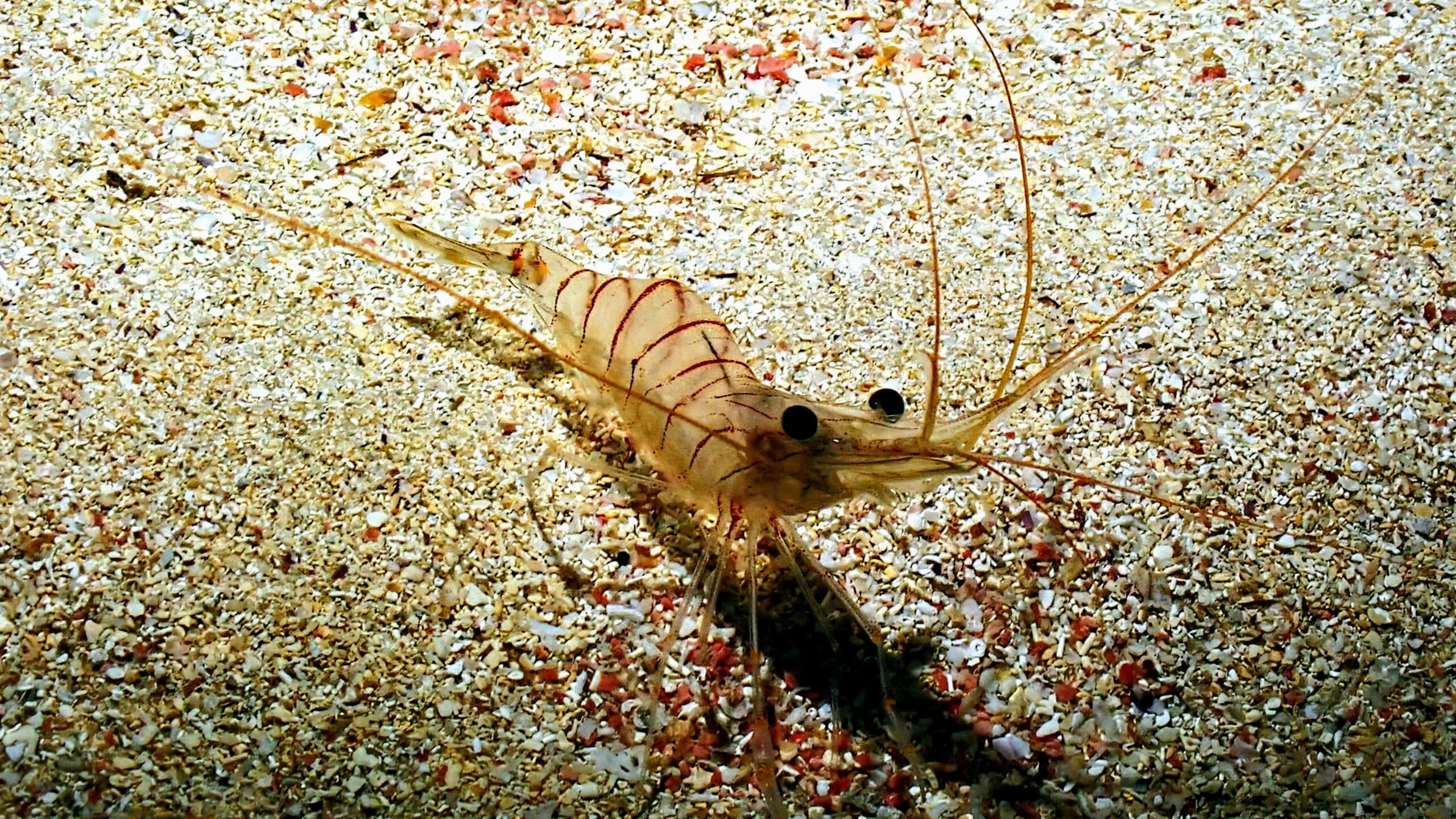
Pared De La Illa Gran
It anchors next to the northern end of the Illa Gran d'Addaia, on a depth of 15 m. Inside the cave you can admire some red coral.
see more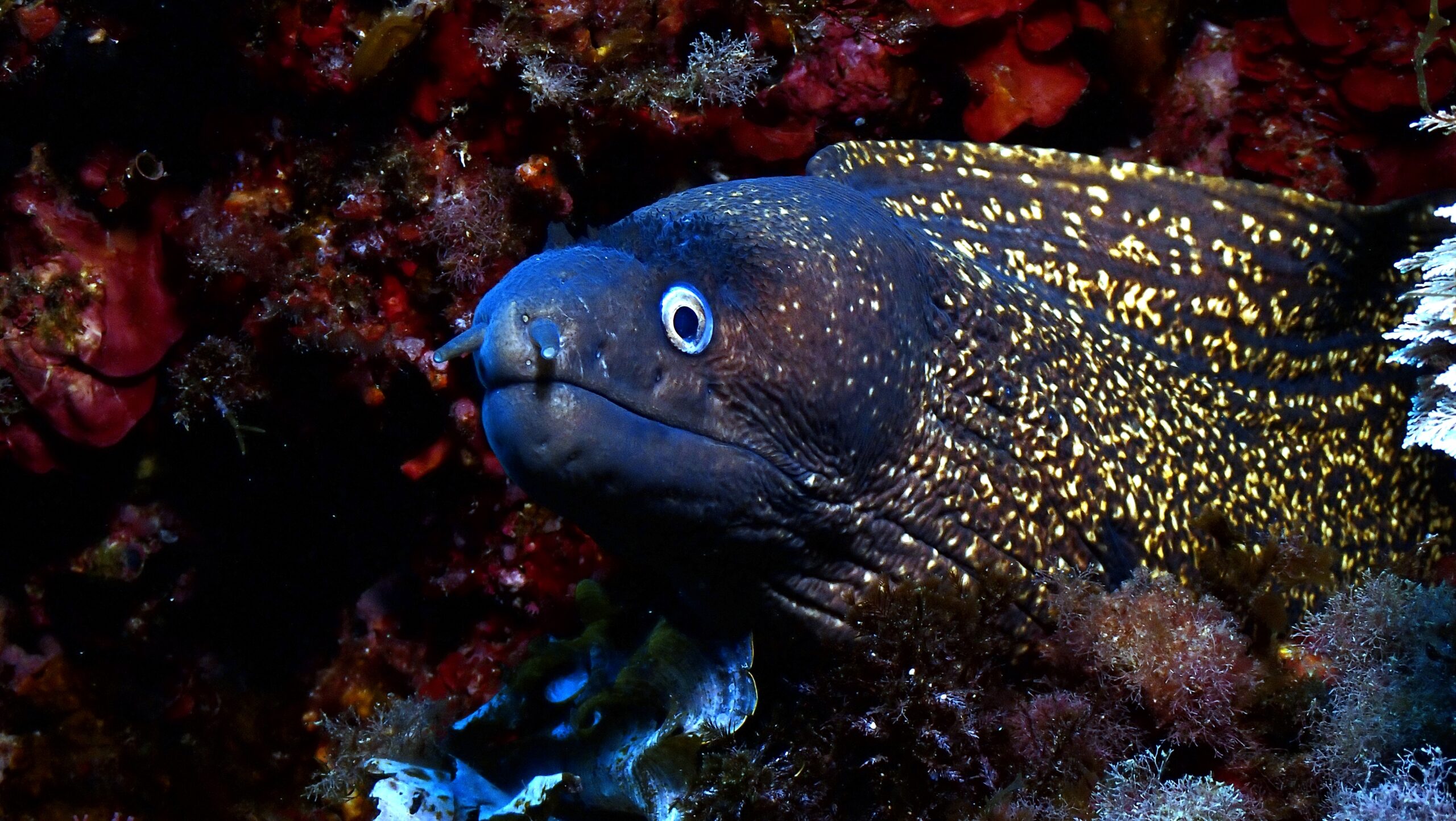
Punta Grossa
Punta Grossa projects to the north between Cala Morts and S'Arenal d'en castell. The bottoms of this cape are rich in diving spots.
see more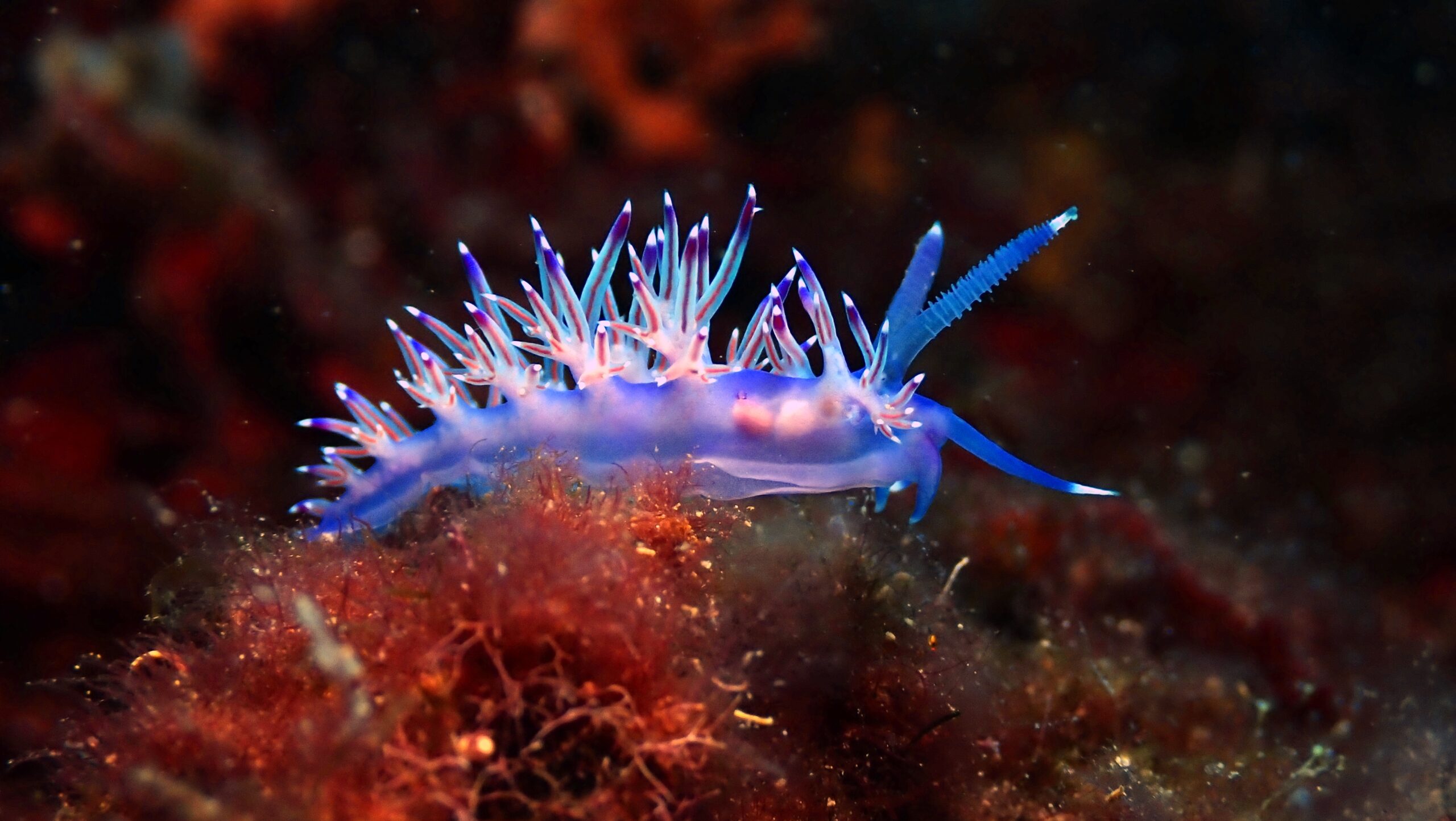
The Chimney
Exciting diving area with rocky forests, tunnel, chimney and underwater cave, full of diverse marine life.
see more
The 4 Caves
Between Cova dels Anglesos and Punta Des Morters, there is a diving area with several caves and wrecks. Marine life and captivating landscapes.
see more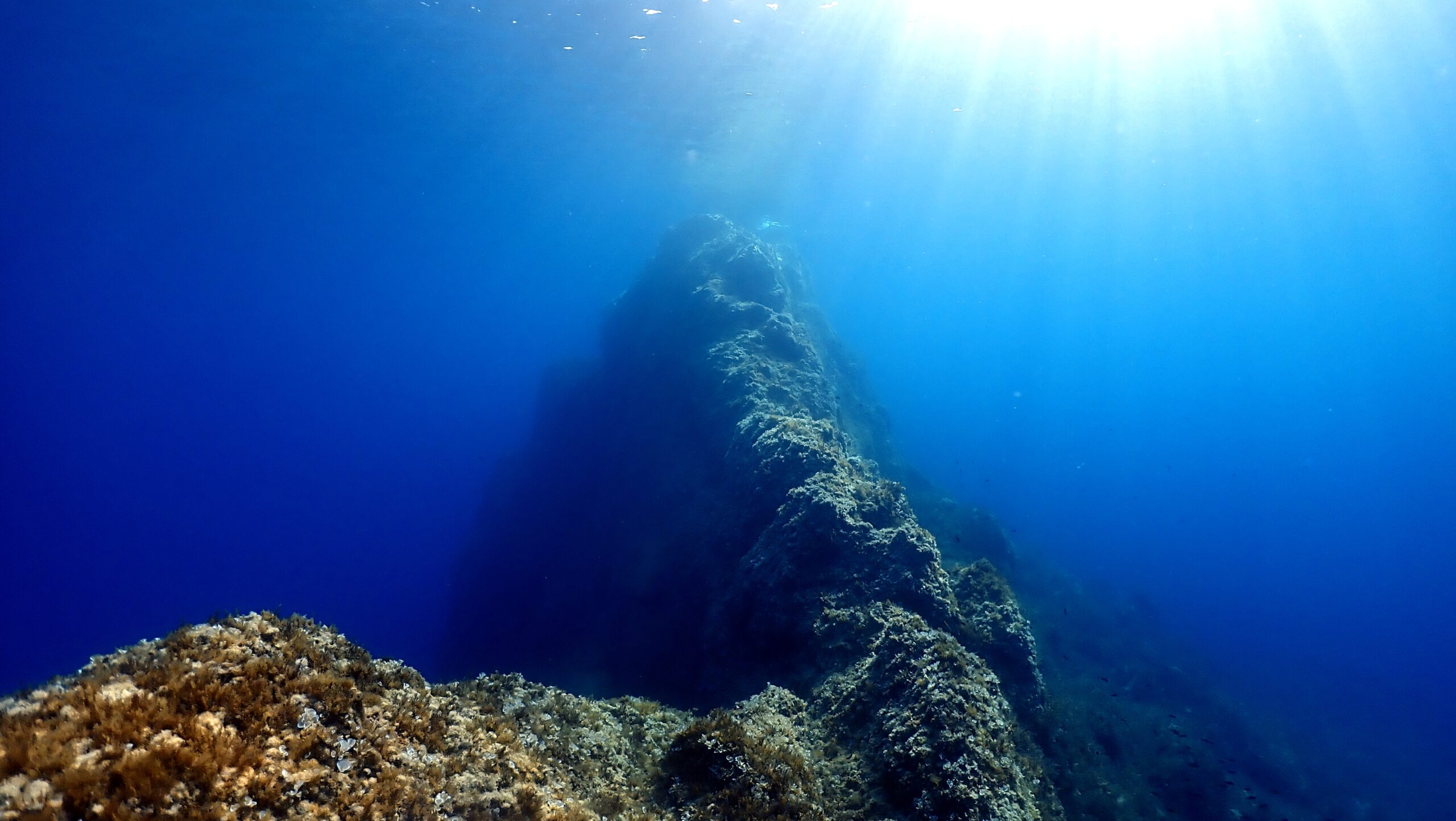
Illa Petita – North
On the north coast of the Petita d'Addaia island there is a large diving area with caves, galleries and a variety of marine life.

The Big Cave
In front of Punta Grossa there is an incredible diving area with caves, diverse marine life and impressive rock formations.
see moreWhat are the best dives in Menorca?
-
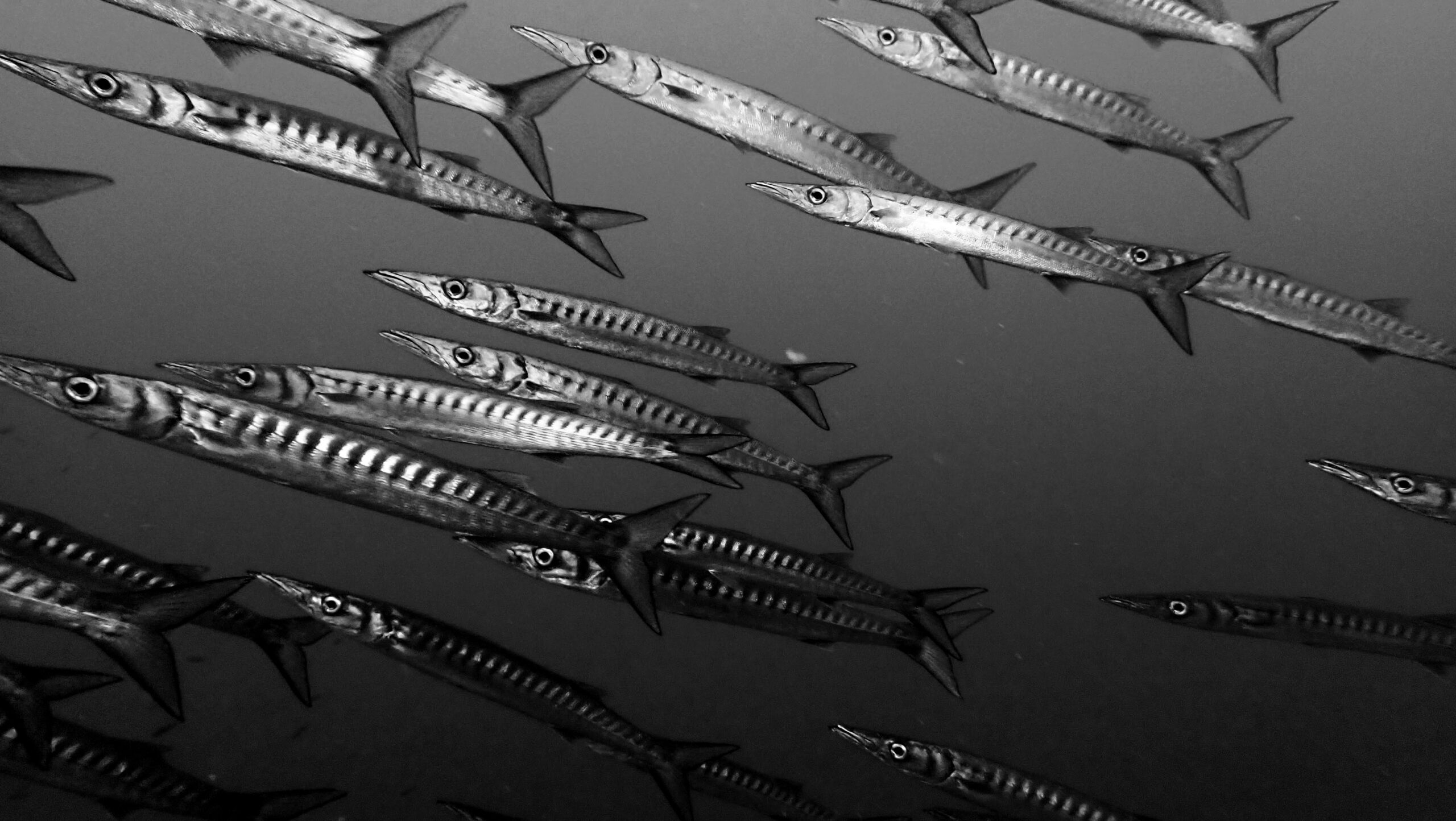
Illa De Ses Àguiles: bordered by rock walls and a length of almost 200 meters from southwest to northeast, you will be able to see large schools of barracudas, groupers, nudibranchs, octopuses and small life in abundance.
-
Cala De Illa Gran: With a bottom of rocky blocks that descend up to 25 m deep, you can see various marine species such as groupers, conger eels, moray eels and octopuses.
-
Great Island Wall: It begins at the northern end of the Illa Gran d'Addaia at 15 m depth, exploring a cave at 12 m with a small air chamber. When you leave, you continue along a rock wall that descends up to 26 m. You can see octopuses, crayfish and moray eels.
-
Punta Grossa: It offers various diving spots, highlighting a rocky platform that descends up to 25 m. The dive includes rock blocks, short tunnels and a 19 m vertical chimney, where you can see moray eels, groupers, crayfish, lobsters and spitfish.
-
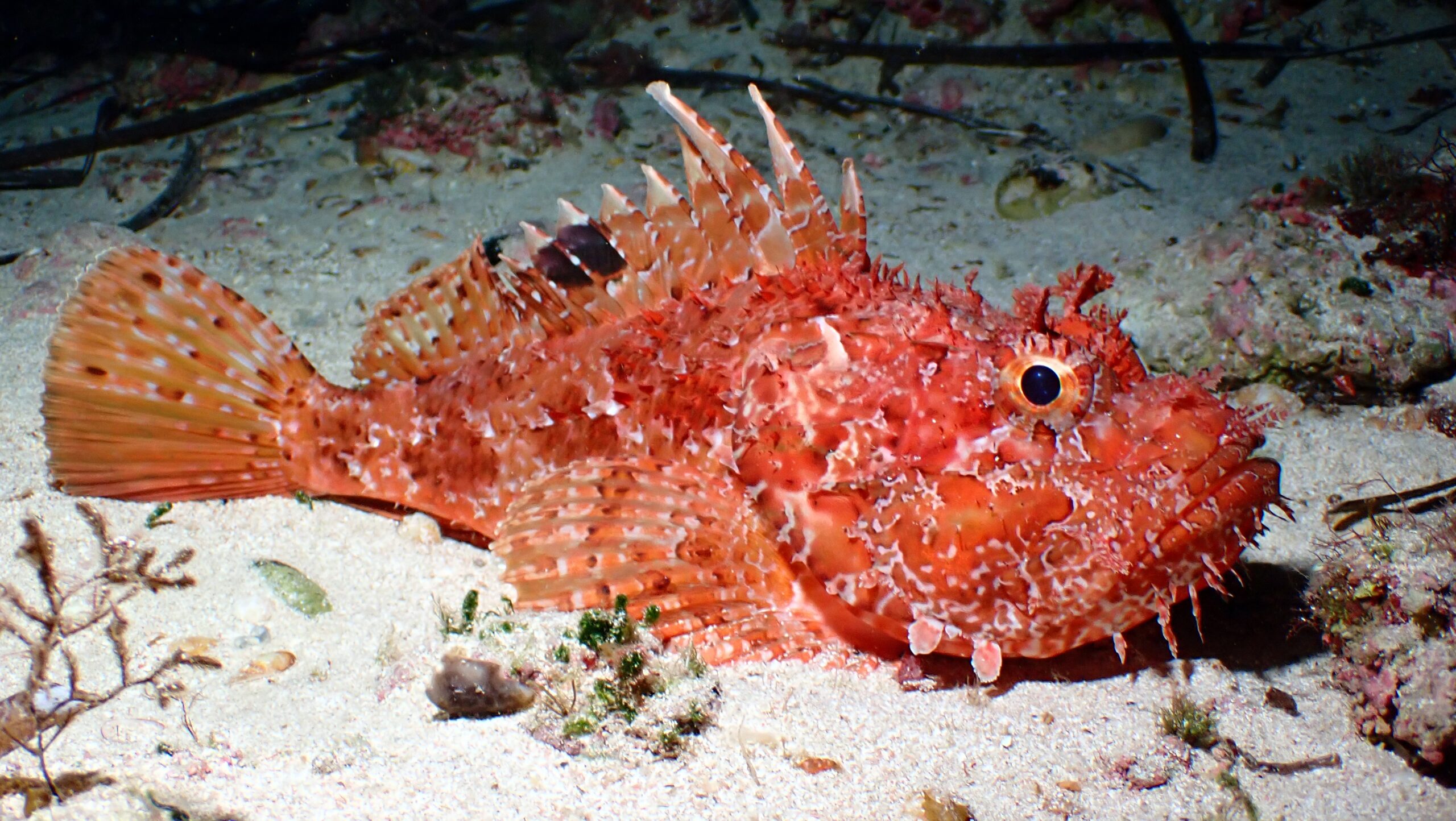
Fireplace: It starts in a deep area and passes through corals and a large rock with holes. At 25 m deep, you ascend to a tunnel that leads to La Chimenea, where you can see crabs and other crustaceans. The dive continues next to the wall at a depth of 17 m, admiring white gorgonians and exploring a 15 m deep cave. You can find moray eels, scorpion fish, groupers and other fish.
-
Little Island – North: exploration of two caves and a tunnel at depths of 12 and 15 meters, respectively. The caves and tunnel are home to abundant marine life, such as bryozoans, coral and crabs.
-
The Big Cave: It offers an underwater experience rich in landscapes with blocks, tunnels and red coral from 30 meters. The Large Cave has two main branches, with an imposing entrance and a route that includes a calm lake covered by a dome of limestone rock. Exploration reveals stalactites, stalagmites and a variety of marine fauna such as lobsters, groupers and conger eels.
-
Swiss Cheese: star dive of Menorca. Less than 5 minutes by boat from Blue dive Menorca. Cave suitable for open water divers, since we have direct access to the surface through any of its holes. Its name is due to the resemblance to a Gruyere cheese, full of holes and spaces. Delight for photographers due to the contrast of lights, shadows and its fantastic colors. We can also observe a great variety of marine fauna, such as conger eels, octopuses, nudibranchs, groupers, schools of small fish, fry of different species, croakers, groupers... a MUST for diving if you come to Menorca!!!
Dive in the Menorca Marine Reserve
The Northern Menorca Marine Reserve, established in June 1999, is located on the north coast of the island. It stands out for its conservation, attractive landscape and variety of habitats. With an area of 5,119 marine ha from the Bay of Fornells until the Cape Gros, is home to ecological elements of interest such as the Sa Nitja posidonia reef, Cystoseira algae communities, and rocky areas with valuable benthic species such as red coral, molluscs and crustaceans.
As for fish, there are typical Mediterranean species, and the presence of lobsters stands out in waters from 25 to 150 meters deep. The diversity of habitats and benthic communities is high due to the configuration of the coast, which includes small bays, coves, cliffs and a marked area at a depth of 45 metres. It is common to see species such as moray eels, groupers, octopuses and red mullets in the north of Menorca. So far there have been registered 628 benthic species, mainly algae, fish and molluscs, and up to 35 different biological communities. Trawling and the capture of endangered species are prohibited throughout the marine reserve. Ask for baptisms or advanced dives.
Is diving in Menorca complicated?
Scuba diving in Menorca is safe and accessible for divers of all levels, especially first-time diving, where lThe instructors handle the equipment and control the technical aspects of diving.
However, as in any underwater activity, it is It is important to follow safety recommendations and be well prepared.
At Blue Dive Experience / Menorca we make sure to provide training adapted to your knowledge and experience. We have very experienced instructors who will ensure that your diving experience is safe, fun and easy.
What do the dives consist of?
The dives in Menorca begin with a briefing explaining the details of the diving equipment, the basic diving rules, underwater communication and some small exercises. This prior training is essential to ensure that all participants feel comfortable and safe during the dive.
Finally, after move to the immersion area, you will proceed to equip yourself and carry out a guided immersion accompanied at all times by our instructors. Participants will have the opportunity to explore the crystal clear waters and rich marine life of Menorca, enjoying a unique experience where you can see various species of fish, corals and other underwater wonders.
What is the best area to dive in Menorca?
The Northern Menorca Maritime Reserve, officially declared a protected area in 1999, is the best area for diving on the island. Its crystal clear waters and abundant marine life make it an ideal destination for diving lovers where they can enjoy endless areas where they can observe a wide variety of marine species and impressive rock formations.
Fauna to see during the dives in Menorca


Faqs about our Diving dives in Menorca
Are the dives difficult?
What do the dives consist of?
I've never done it before, I'm not sure I can do it
Do you carry out VIP buceos?
What equipment do I need for the dives?
Our teams are Scubapro certified, which guarantee the highest quality and safety. Reviewed and updated by authorized personnel, ensuring perfect condition.
On the other hand, and in case you have own material and want to use it, you can do so without problem. We can rent you the bottle and the leads, or the extra material you need. In these cases The final price will be adjusted depending on the equipment you need to rent. Do not hesitate to contact us for more details and adjust the service to your needs.
What is the best time to dive in Menorca?
Is scuba diving dangerous?
What level of experience is needed to dive in Menorca?
For certified divers, a wide variety of dives are available, from shallow water dives to more challenging cave and tunnel explorations. No matter your level of experience, we have varied dives for all levels, with exclusive dives in the area.
Number of people per group

info@bluedivemenorca.com

Commercial Zone nº 7 and 8 Addaia, 07740 Es Mercadal, MENORCA


From 8:00 to 20:00
Services
